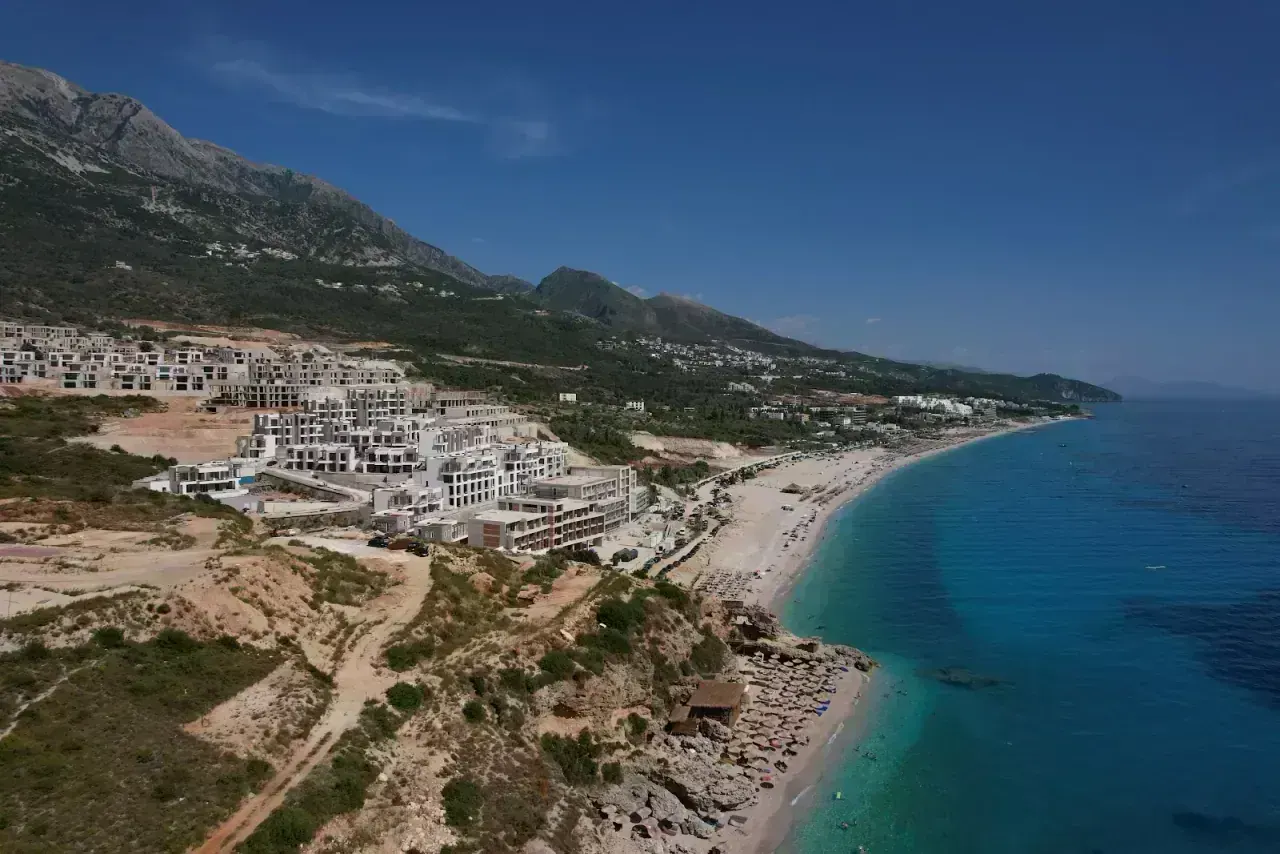
Short answer: yes, if you're here for some of Albania's clearest water and best beaches, dramatic mountain-meets-sea scenery, and a lively summer beach scene. Dhërmi is a coastal village on the Albanian Riviera, on the Ionian shore below the Ceraunian Mountains. It's a beautiful but still-developing, seasonal place, so knowing what to expect matters. Here's an honest breakdown, and if the real question is whether to cross to the other side of the strait, see the Albanian Riviera vs Greece. For the practicals, see our getting-here and best-time-to-visit guides.
Who Dhërmi is perfect for
- Beach and swimming lovers. Dhërmi is known for some of Albania's clearest turquoise water and best beaches, Dhërmi Beach and Drymades below the village, plus the hidden canyon cove of Gjipe.
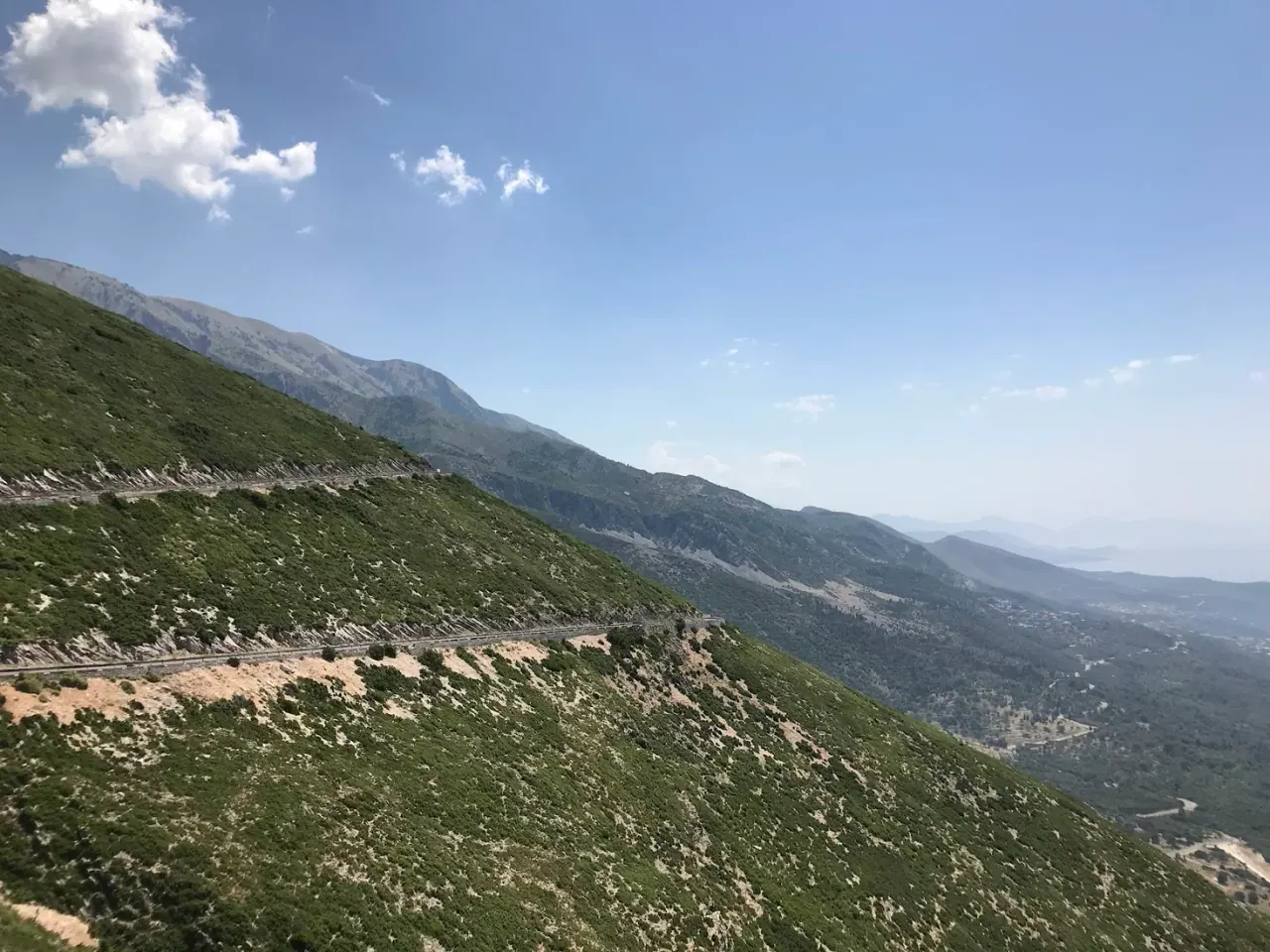
- Scenery seekers. The Ceraunian Mountains, Greek for the "thunderbolt" mountains, a storm-lashed coast ancient sailors dreaded, drop straight into the Ionian, giving one of the most dramatic coastlines in the Balkans, best seen over the Llogara Pass.
- Summer beach-goers and festival fans. Dhërmi and Drymades have a lively summer beach-bar and beach-club scene, capped each early June by the international Kala Festival, a week of electronic music on the sand.
- Explorers. Hidden coves, a hillside old village with monasteries, and day trips to Himarë, Porto Palermo and Butrint.
- Couples. Secluded turquoise coves, sunset beach bars and seafood by the water make it an easy romantic base. See Dhërmi for couples.
What to know before you go
Dhërmi is honest about what it is:
- You'll likely want a car. Bus and furgon services along the coast road are seasonal and thin out off-season, so a car gives the most freedom. See getting here.
- It's very seasonal. From November to April it is quiet and many beach businesses close; the scene lives in summer.
- Bring bottled water. Along the Riviera the supply is limited and often tank-fed, so tap water isn't recommended for drinking. See our practical info.
- It's beaches and nature, not museums. If you want big-city sightseeing or a cultural-capital base, that's not Dhërmi.
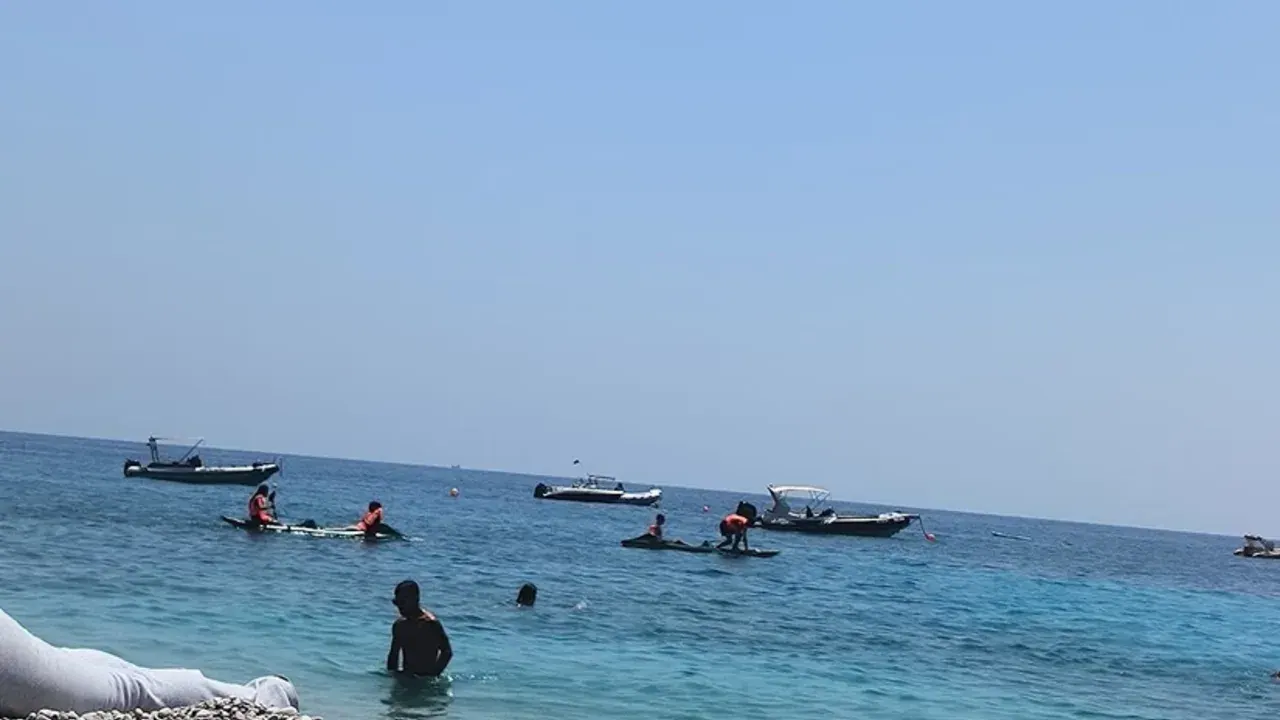
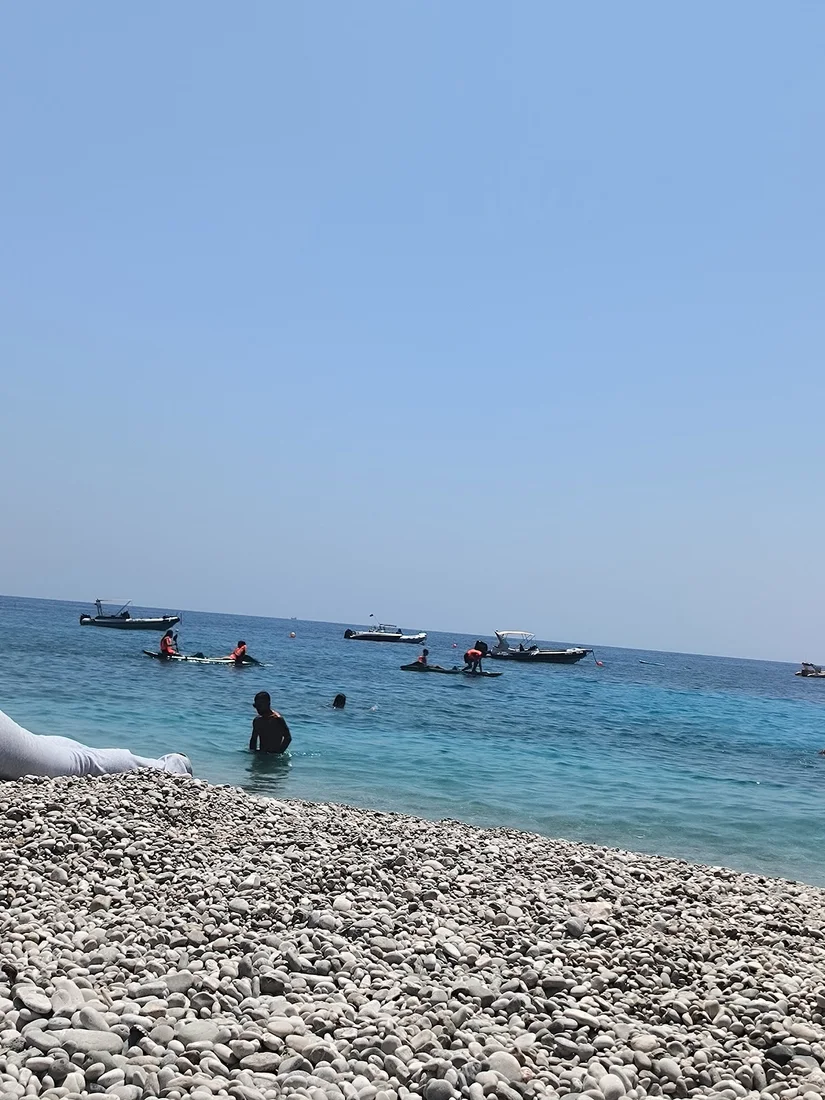
- The beaches are pebble, not sand. Dhërmi and Drymades are white-pebble shores, beautiful and clear, but bring water shoes, as the stones are hard on bare feet and the entry can be sharp.
- Beach clubs dominate the shore. Much of the beachfront is organised beach clubs, so you often reach the water through one, and loungers run pricey at the smart spots (around €20–50 a pair) with competing loud music. For free, quieter sand, go early, off-peak, or to a cove like Gjipe.
- It's a work in progress. Dhërmi is in the middle of a building boom, and stretches of the beachfront are active construction sites, half-finished concrete and cranes alongside the scenery. The water and mountains are spectacular; the built environment is still catching up, and August packs out with tight parking and peak prices.
The honest verdict
Dhërmi is well worth it if you want turquoise water, wild coastline and a relaxed-then-lively summer beach village. One of the Albanian Riviera's headline destinations. Come in season (roughly May–October), ideally with a car and a stash of bottled water, and you'll have a spectacular trip. It's less suited to travellers who want polished, year-round, car-free convenience. See our where to stay and where to eat guides to plan it.
Frequently Asked Questions
Is Dhërmi worth visiting?
Yes, if you want some of Albania's clearest water and best beaches, dramatic mountain-and-sea scenery, and a lively summer beach scene. Come in season, ideally with a car and bottled water.
Is Dhërmi better than Sarandë or Ksamil?
They offer different things. Dhërmi has dramatic mountain-meets-sea scenery and a laid-back beach-club vibe; Sarandë and Ksamil, further south, are busier and closer to Butrint. Many road-trip both.
Is Dhërmi beach sand or pebble?
Pebble, Dhërmi and Drymades are white-pebble beaches, not sand. The water is beautifully clear, but the stones are hard underfoot and the entry can be sharp, so bring water shoes.
Is Dhërmi crowded and expensive?
In July and August, yes. Beach clubs line the shore with loungers around €20–50 a pair and loud music, parking is tight and August accommodation is dear. It's calmer and cheaper in the May–June and September–October shoulder seasons, and quieter early in the day or at coves like Gjipe. Bear in mind, too, that Dhërmi is mid-building-boom, so expect some construction along the beachfront.
Do you need a car in Dhërmi?
It helps a lot. Bus and furgon services along the coast road are seasonal and thin out off-season, so a car gives the most freedom to reach the beaches, coves and day trips.
What are the Ceraunian Mountains?
The mountain wall behind Dhërmi is the Ceraunian range, which runs about 100 km down the Riviera from the Karaburun peninsula to Sarandë and rises just behind the coast to Maja e Çikës (2,044 m), its highest peak. The name comes from the ancient Greek for the "thunderbolt mountains" (keraunós, a thunderbolt), for the fierce storms that break over this coast, and in Albanian it's Malet e Vetëtimës, the "Thunderbolt Mountains." The stormy cape at their seaward end, Akrokeraunia, was so dreaded by ancient sailors that the Roman poet Horace called it the "infamous Acroceraunian rocks." That same dramatic mountain-meets-sea wall is exactly what makes the Dhërmi coastline so striking today.