Is the water around Dhërmi good for snorkelling? Yes. The Ionian here is some of the clearest on the Albanian Riviera, and the rocky ends of the beaches, the canyon cove at Gjipe and the sea caves reachable only by boat are all worth a mask and snorkel. Full scuba is a different story: there is no dedicated dive shop on Dhërmi beach itself, so organised diving means travelling to where the operators are. This guide covers the best snorkel spots, what you'll actually see underwater, whether to bring your own gear, and where diving runs from.
Snorkelling & diving around Dhërmi at a glance
| Spot | Access | Best for | Note |
|---|---|---|---|
| Rocky ends of Dhërmi beach | Walk from shore | Easy shore snorkelling | Skip the sandy middle; head to the boulders N or S |
| Drymades rocky points | Walk from shore | Calm-morning snorkelling | Clear water, rock reef, quieter early |
| Gjipe cove | Canyon walk or boat | Clearest water, cliff bases | No road in; least-disturbed section of coast |
| Sea caves / Grama Bay | Boat trip only | Dramatic swims, deep blue | Calm days only; go by boat |
| Scuba diving | From Sarandë (or sometimes Himarë) | Certified dives, courses | No dive shop on Dhërmi itself, HEDGE, ask locally |
Snorkelling here is free and DIY; bring your own mask if you can. Diving is organised elsewhere on the coast. Treat the details below as a guide and confirm on the ground.
The water: why it's worth getting your face wet
The single reason to snorkel around Dhërmi is clarity. This stretch of the Ionian sits below the Ceraunian mountains with little river runoff and few big developments, so on a calm day you can see the bottom several metres down and pick out fish against pale rock. It is not a coral coast. There are no reefs of hard coral here, and anyone expecting Red Sea colours will be disappointed. What you get instead is classic Mediterranean rock-reef snorkelling: boulders and encrusted limestone, seagrass patches, and the fish and invertebrates that live in the cracks.
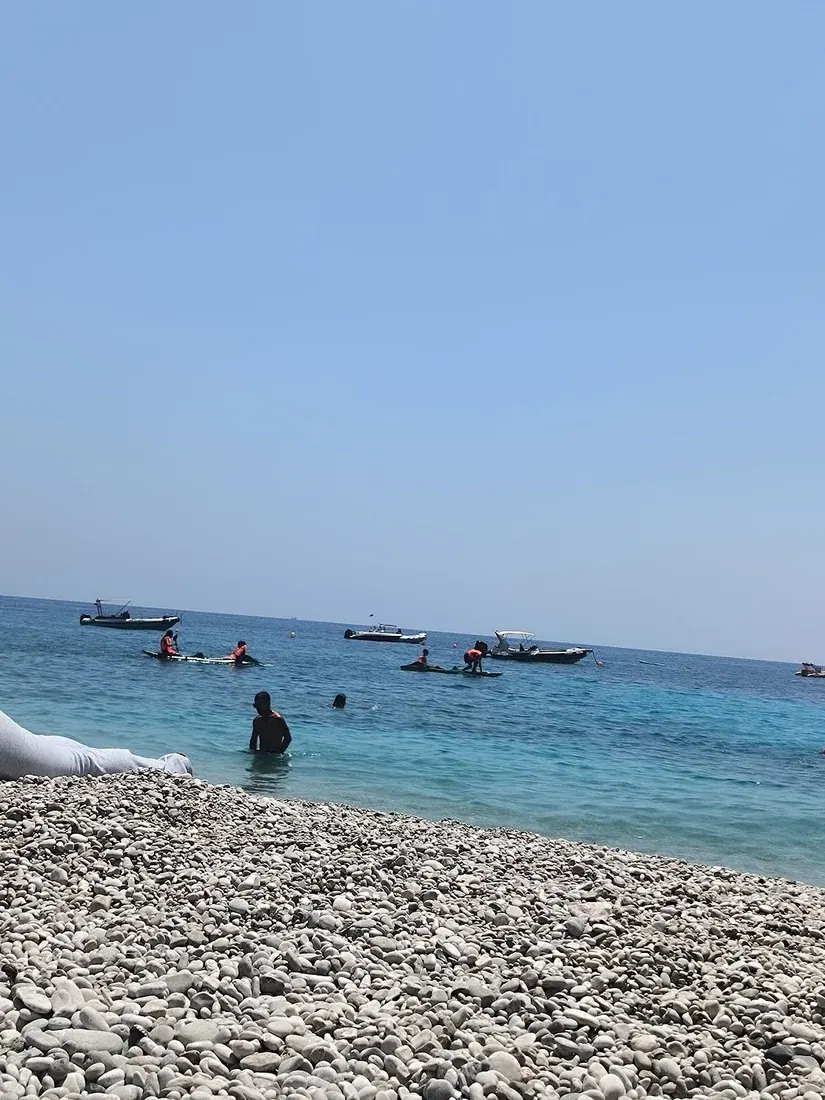
Around the boulder fields at the northern and southern ends of Dhërmi beach, and off the rocky points at neighbouring Drymades, snorkellers commonly see wrasse, the occasional grouper sheltering under ledges, octopus tucked into holes, and plenty of sea urchins and starfish on the rocks. Watch for urchins in particular: they cluster on the shallow rock you'll be climbing over, and a spine in the foot is the most common snorkelling mishap on this coast. The sandy middle of each beach is pleasant to swim but dull underwater, so it pays to swim out toward the rock at either end where the life is.
Best snorkel spots
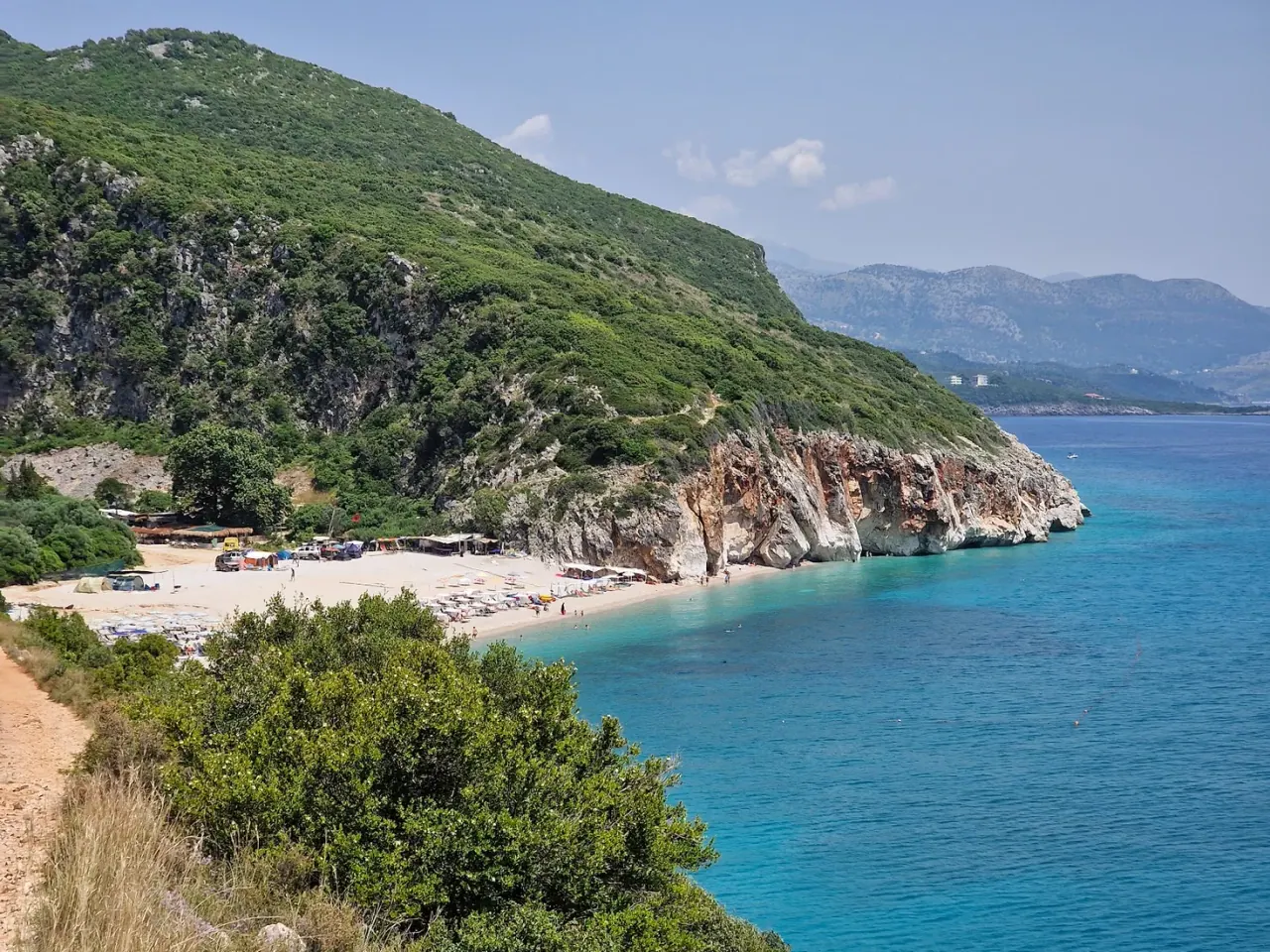
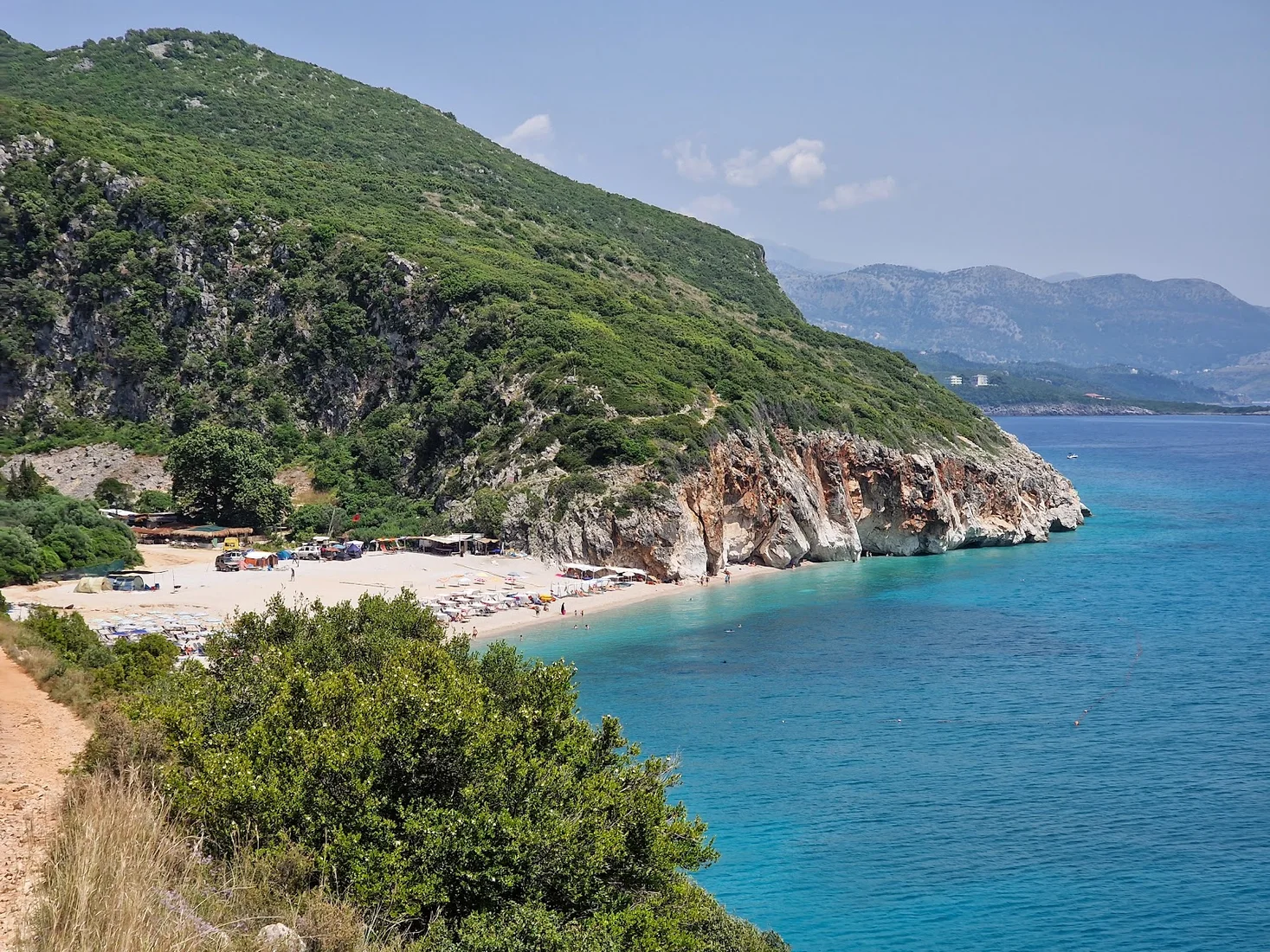
Gjipe cove is the standout. The little canyon-mouth bay between Dhërmi and Himarë has no road in, which keeps the water among the least-disturbed on the Riviera, and the rocky headlands at either end drop into clear water with good underwater topography, crevices, cliff bases and springs where cold freshwater seeps in. You reach it on foot down the canyon or, faster, by boat or water taxi; the full detail is in our Gjipe beach guide. Bring your own mask, because there's no reliable gear rental once you're down there.
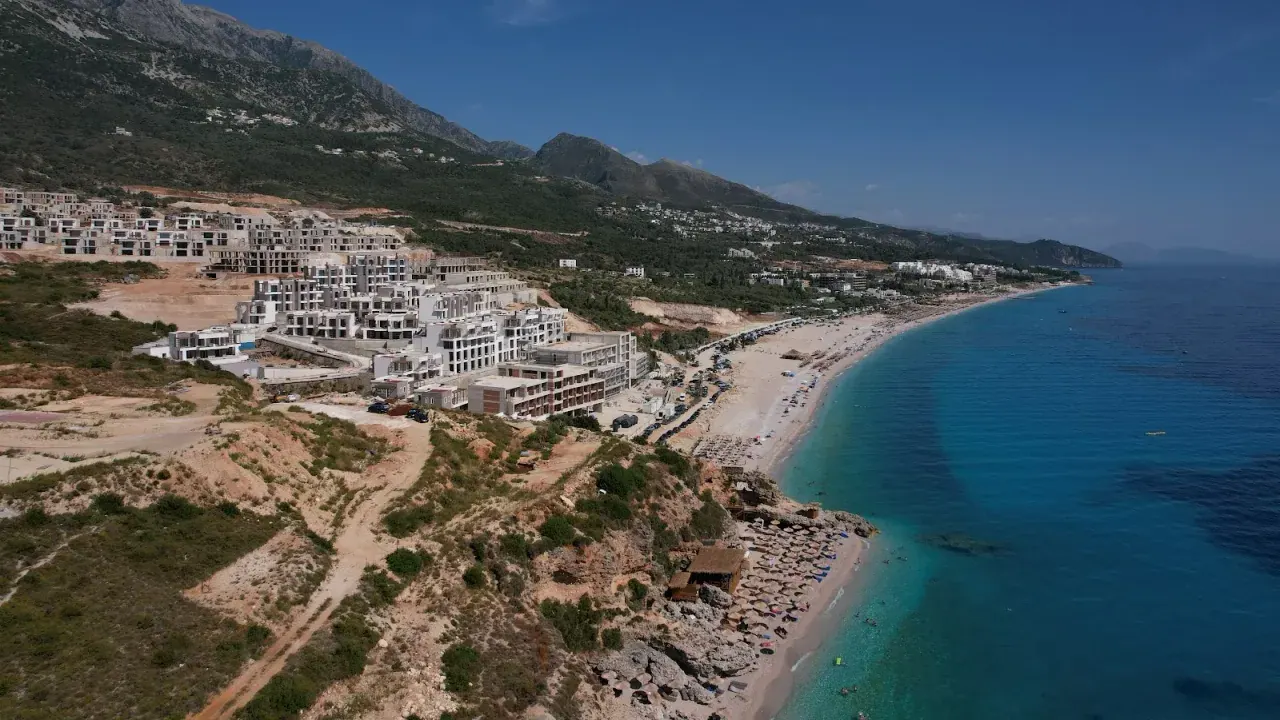
Closer to base, the rocky shoulders of Dhërmi and Drymades beaches give you shore-entry snorkelling without a boat. Go in the morning, when the sea is glassiest and the afternoon breeze hasn't kicked up chop, and stay near the rock. For a sense of how the two beaches compare, see Dhërmi or Drymades and the wider best beaches near Dhërmi.
The most dramatic swimming is at the sea caves and remote coves north toward Grama Bay and around the Pirates' Cave, deep grottoes and inlets that are only reachable from the water. These aren't a shore-snorkel; you get to them on a Dhërmi boat trip, and most cruises build in swim-and-snorkel stops in secluded bays where the water is clear enough to see the bottom. If snorkelling the caves is your priority, pick a boat trip that advertises snorkel stops and go on a calm day, since boats only enter the caves when the swell is low.
Snorkelling gear: bring your own or rent?
Bring your own mask and snorkel if you possibly can. Snorkelling here is a DIY, do-it-from-the-beach activity rather than a packaged one, and reliable rental stands are thin on the ground, some seasonal beach operators on Dhërmi and Drymades hire out masks, fins and other beach kit in peak summer, but stock and quality vary and you can't count on it, especially at quieter spots like Gjipe. A basic mask, snorkel and a pair of water shoes (essential for the urchin-covered entry rock) pack down small and turn any clear-water moment into a snorkel. If you plan to do the caves by boat, a snorkel is one of the things worth packing for the trip. See what to pack for Dhërmi.
Does scuba diving actually run from Dhërmi?
Here's the honest answer: not really from Dhërmi itself. Dhërmi is a snorkel-first destination, and we found no dedicated dive centre operating on Dhërmi or Drymades beach. Organised scuba on this coast is concentrated further south, around Sarandë, where a PADI-certified dive centre runs guided boat dives, beginner "try dives" and full certification courses through the season, reaching sites along the Ionian by RIB. Diving is also sometimes available out of Himarë in peak months, though availability there is less consistent and worth confirming ahead rather than assuming.
What that means in practice: if you want to snorkel, do it straight off the beaches and coves around Dhërmi. No booking, no operator, just a mask. If you want to dive with tanks, plan on a trip down the coast to Sarandë (or check what's running in Himarë when you're there) and book directly with the dive centre. We're deliberately not naming specific operators or quoting dive prices here, because they shift season to season and the diving scene on this coast is thinly documented, verify locally, confirm certification levels, and check what's included before you pay. For the lie of the land on getting between towns, see best day trips from Dhërmi.
What it costs and how to pay
Snorkelling off the beach is free. If you rent a mask from a seasonal beach stand, expect a small cash-in-lek charge, and if you do the caves by boat, factor in the cruise itself, roughly 2,500–3,500 lek (€25–35) for a half-day shared trip with swim stops, more for the full-day Grama Bay run (see Dhërmi boat trips for the breakdown). Remember that Albania is outside the EU and the Eurozone: the currency is the lek (roughly 100 lek ≈ €1), beach and boat operators are largely cash-only, and ATMs are limited on the coast, so carry lek. Organised diving down in Sarandë will generally take cards through an established dive centre, but confirm when you book.
Safety and etiquette
- Snorkel in the morning. Afternoon wind builds chop and reduces visibility; the sea is calmest early.
- Watch for urchins. Wear water shoes on the entry rock and don't grab handholds blind.
- Don't touch the marine life. No coral to break here, but octopus, urchins and rock life are best left alone.
- Mind the boats. Swim close to the rock at the beach ends, not out into the channel where cruises and water taxis run.
- Respect the caves. Only enter sea caves from a boat with an experienced skipper, and only on a genuinely calm day.
- Beware offshore drift. The afternoon breeze can push you away from shore; turn back before you tire.
How it fits your trip
Snorkelling slots into a Dhërmi holiday without any planning. An hour off the rocks at either end of the beach, a mask stop on a boat trip, or the clear water at Gjipe on a beach-hopping day. Pair a morning snorkel with a lazy beach afternoon and save the caves for a settled, calm day. If diving matters to you, build a day trip down the coast into the plan rather than expecting to book it on Dhërmi beach. For the rest of the coast, browse the best beaches near Dhërmi.
Frequently Asked Questions
Is Dhërmi good for snorkelling?
Yes. The water off Dhërmi is among the clearest on the Albanian Riviera, and the rocky ends of the beach, away from the sandy middle, have boulders that shelter wrasse, grouper, octopus, urchins and starfish. Go in the morning for the calmest, clearest water, and swim toward the rock rather than staying over the sand.
Where are the best snorkel spots near Dhërmi?
The rocky shoulders at the north and south ends of Dhërmi and Drymades beaches are the easy shore options. Gjipe cove has the clearest, least-disturbed water but no road in. The sea caves and coves toward Grama Bay are the most dramatic, but you reach them only by boat, so book a cruise with snorkel stops.
Can you go scuba diving in Dhërmi?
Not directly, there's no dedicated dive shop on Dhërmi or Drymades beach. Organised scuba on this coast runs mainly from Sarandë, where a PADI dive centre offers guided dives and courses, and sometimes from Himarë in peak season. For tanks, plan a trip down the coast and book with the dive centre; Dhërmi itself is best for snorkelling.
Do I need to bring my own snorkel gear?
It's strongly advised. Snorkelling here is a do-it-yourself, off-the-beach activity, and reliable rental is patchy. Some seasonal beach stands hire masks and fins in peak summer, but you can't rely on it, especially at Gjipe. A packable mask, snorkel and water shoes cost little and mean you're never caught out on a clear-water day.
Will I see coral around Dhërmi?
No. This is a Mediterranean rock-reef coast, not a coral one. Expect boulders, encrusted limestone, seagrass and the fish and invertebrates that live among them, not colourful hard coral. The draw is the water clarity and the rocky topography, especially around Gjipe and the cave coves reached by boat.