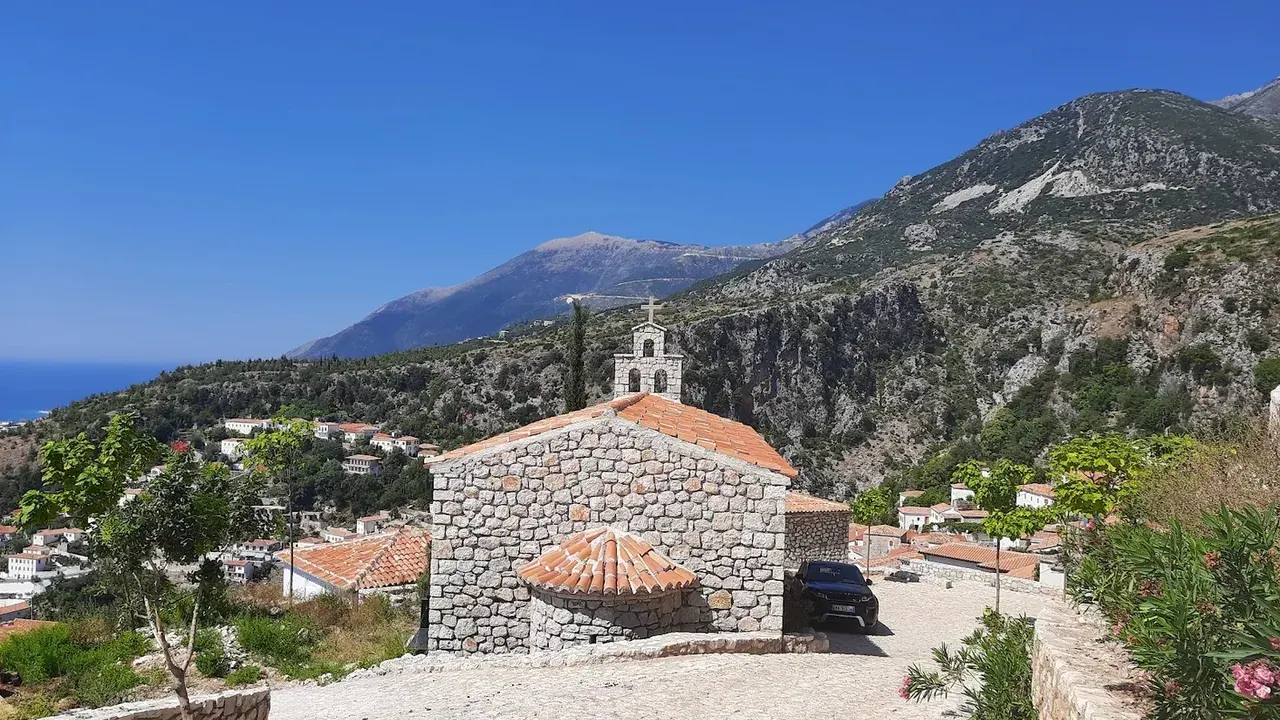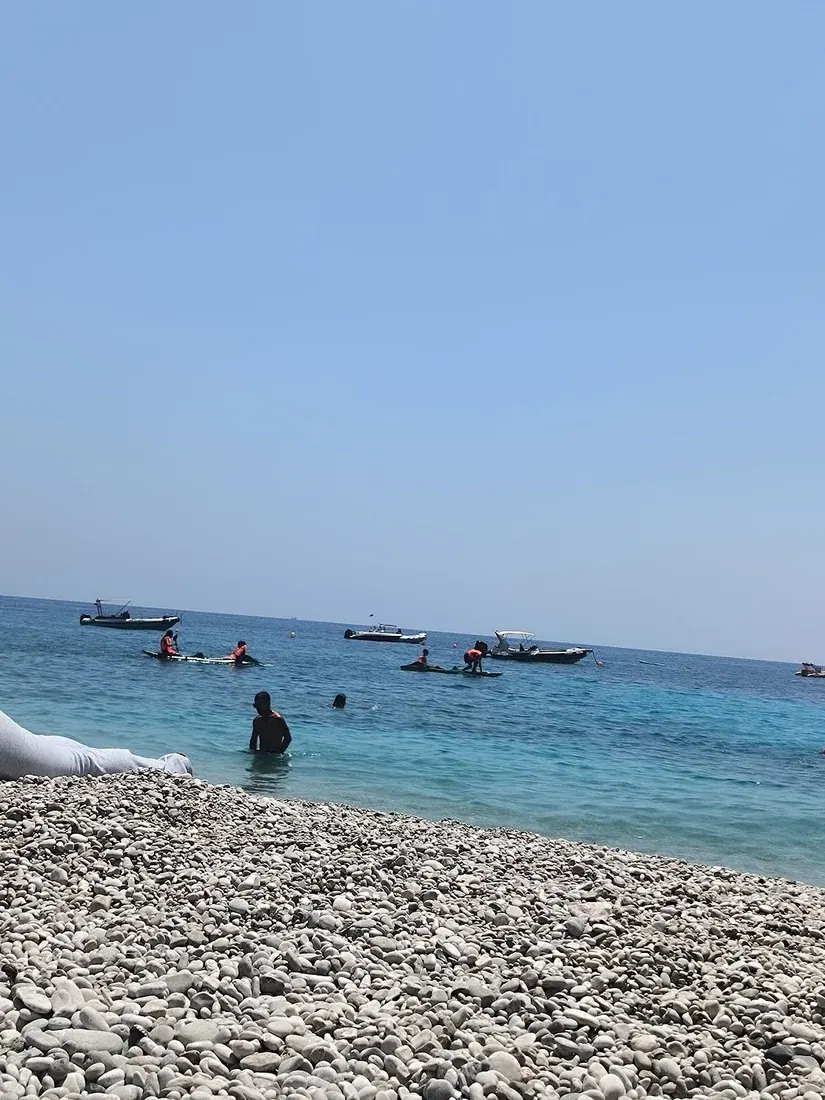
Somewhere between the old village lanes and the beach car park, most visitors to Dhërmi meet their first Albanian stray, a sleepy dog stretched in the shade, or a small pack trotting along the shorefront at dusk. If you've read a few forum threads before your trip, you may have arrived half-expecting trouble. The honest picture is calmer than the internet suggests, but it isn't nothing, and a little know-how goes a long way. Here is what stray dogs on the Albanian Riviera are actually like, and how to handle them without either fear or naivety.
Stray dogs on the Riviera: the quick picture
| Situation | Reality | What to do |
|---|---|---|
| Daytime beach dogs | Common, usually docile, often "belong" loosely to a bar | Ignore, don't feed, give space |
| Packs after dark | More active and vocal at night in quiet areas | Avoid unlit lanes; carry a light |
| A dog follows you | Usually curiosity or hoping for food | Stay calm, don't run, keep walking |
| Aggression / cornered dog | Uncommon, but possible | Stop, don't stare, back away slowly |
| Bites | Rare, but happen | Clean the wound, seek care the same day |
| Rabies | Very low risk in dogs; not zero | Standard caution + travel insurance |
The overwhelming majority of travellers pass a whole trip with nothing worse than a dog sniffing their beach bag. Treat the animals with ordinary respect and distance and you'll almost certainly be fine. The advice below is about the small minority of situations, not the norm.
Why there are so many strays
Albania has a large free-roaming dog population, a legacy of limited spay-and-neuter programmes and a culture where dogs drift between "stray" and "loosely looked-after." On the Riviera you'll notice them most around beach bars, tavernas and the edges of villages like Dhërmi's old upper village, where scraps are easiest to find. Many of these dogs are effectively semi-owned, fed by a café, tolerated by everyone, and completely uninterested in you. That's why they generally read as relaxed rather than desperate: they're not starving, and they're used to people.
Are stray dogs in Albania dangerous?
Mostly, no. Bites from stray dogs are uncommon, and the vast majority of tourists never have a bad encounter. Most beach and village dogs are docile to the point of laziness in the heat. That said, two honest caveats: dog bites do happen in Albania and are reported often enough to take seriously, and dogs behave differently in a pack and after dark. A single dog dozing by a taverna at noon and a group of the same dogs patrolling an unlit lane at midnight are not the same proposition. Adjust your caution to the time and the setting, not to a blanket assumption that every stray is a threat.
How to behave around them
The core rules are simple and they work:
- Don't feed them. A fed dog associates you with food and follows, and teaches the next tourist's problem. It's the single most common cause of a dog trailing you down the beach.
- Don't pet or approach, however sweet a dog looks, and never touch a sleeping or eating dog. Keep children close and calm around strays; a child's instinct to run or squeal is exactly what provokes chasing.
- Give space and stay calm. Walk at a steady pace, avoid direct eye contact (a hard stare reads as a challenge), and don't make sudden movements.
- Carry nothing that smells like food in your hands on an evening walk. A wrapped sandwich or an ice cream is an invitation.
- At night, favour lit routes. Packs are more active and more territorial after dark in quiet areas, so stick to the lit shorefront rather than cutting through unlit village lanes, and a phone torch or head-torch is genuinely useful. This is doubly worth knowing for solo travellers.
If a dog follows or confronts you
Don't run, running triggers the chase instinct and you won't win it. Stop, stand side-on rather than square, avoid eye contact, and back away slowly while staying calm. Most following dogs lose interest within a few metres once they realise there's no food. If a dog is genuinely aggressive, putting a solid object between you, a parked car, a wall, a bag held low, and calmly walking on usually ends it. Shouting and flailing tends to escalate, not defuse.
Rabies: what the risk really is
This is the question that drives the worry, so here's the measured answer. Albania is considered effectively free of dog-transmitted rabies. The disease is very rare in the country and has been eradicated from the domestic dog population, though it cannot be called a formally "rabies-free" country and the virus may persist in wildlife such as bats. In plain terms: the odds of contracting rabies from a Dhërmi beach dog are very low.
"Very low" is not "zero," and rabies is untreatable once symptoms appear, so the sensible traveller does two things regardless: carries travel insurance that covers medical treatment, and treats any bite or deep scratch seriously rather than shrugging it off. That combination, low baseline risk, plus taking bites seriously if they happen, is the honest, non-alarmist position. If you're anxious about it, a pre-travel conversation with a travel clinic about rabies vaccination is a reasonable personal choice, but for most short-trip visitors it isn't considered essential. We don't quote fixed statistics here because they shift; check current government travel-health advice for your own country before you go.
What to do if you're bitten
If a stray does bite or badly scratch you, act the same day:
- Wash the wound immediately and thoroughly with soap and running water for several minutes. This is the most effective first step you can take.
- Disinfect with antiseptic if you have it, and cover it.
- Seek medical care promptly. Rabies post-exposure treatment is highly effective when started quickly, so don't wait to "see how it heals." Larger centres such as Vlorë, Sarandë or Tirana are your best bet for proper care; your accommodation can help you find the nearest option.
- Keep your travel-insurance details handy and call your insurer's assistance line.
Erring toward getting checked is always the right call with an animal bite abroad. The downside of a needless clinic visit is trivial next to the alternative.
Should this change your trip? No.
Stray dogs are part of the texture of the Albanian Riviera, not a reason to stay away or stay indoors. Walk the old village, enjoy the beaches, and travel with the same easy awareness you'd bring to any new place. For the fuller safety picture, traffic, sea conditions, petty theft and more, see our honest is Dhërmi safe guide, and if you're getting around on foot or by taxi rather than a hire car, the ride-hailing and taxis guide covers how transport really works here.
Frequently Asked Questions
Are there lots of stray dogs in Dhërmi?
Yes, free-roaming dogs are common around Dhërmi's beaches, tavernas and old village, as they are across the Albanian Riviera. Most are docile, semi-fed by local cafés and uninterested in tourists. They're a normal part of the scene rather than a reason to worry.
Are stray dogs in Albania dangerous to tourists?
Rarely. Bites are uncommon and most visitors never have a bad encounter. Daytime beach dogs are usually relaxed, though packs are more active and territorial after dark. Keep your distance, don't feed or pet them, and favour lit routes at night, and you'll almost certainly be fine.
Is there rabies in Albania?
The risk is very low. Rabies has effectively been eradicated from Albania's dog population, though the country isn't formally "rabies-free" and the virus may persist in wildlife. Carry travel insurance, take any bite seriously, and check your government's current travel-health advice before you go.
What should I do if a stray dog bites me?
Wash the wound with soap and running water for several minutes right away, disinfect and cover it, then seek medical care the same day, rabies treatment is highly effective when started quickly. Contact your travel insurer, and head to a larger centre like Vlorë, Sarandë or Tirana for proper care.
How do I stop a stray dog following me?
Don't feed it and don't run. Keep walking at a steady pace, avoid eye contact, and it usually loses interest within a few metres. Carrying visible food is the most common cause of a dog trailing you, so keep snacks bagged and out of sight, especially on evening walks.